Sunday, 2 September 2018

Is organic food better for the environment?

Image result for organic crops
Organic Food photograph, http://csglobe.com/booming-organics-u-s-farmers-forced-to-import-organic-crops-to-meet-non-gmo-demand/

The UK organic food industry grew 7.1% from last year and is continuing to grew in popularity with consumers as many believe this will not only benefit our health but the environment. With growing concerns about GMO's and pesticides driving this belief, it is no wonder that the £2 billion industry continuing to grow with every supermarket seemingly expanding their organic range. This got me thinking if there was any truth to these claims or is this just a marketing tactic to get us to buy more expensive food?

So what does organic food really mean. Well according to DEFRA, organic food is defined as "the product of a farming system which avoids the use of man-made fertilisers, pesticides; growth regulators and livestock feed additives. Irradiation and the use of genetically modified organisms (GMOs) or products produced from or by GMOs are generally prohibited by organic legislation." This means that organic farms are working to achieve a more sustainable food system that, in theory, is more socially, economically and (most importantly) more environmentally sustainable. Basically organic farmers aim to produce a more 'natural' farm environment by using nothing that has been man made which sounds like this is better for the environment but is this really the case?

Firstly lets look at pesticides which are chemicals that are often sprayed on crops to kill pests in an attempt to increase crop yields and subsequently profits. Obviously chemical pesticides, including herbicides and insecticides, are man made and every food business has to comply with UK legislation and regulations that limits the Maximum Residue Levels. Despite the strict regulations and monitoring there are some major issues that threaten the environment. One main issue is that pesticides often threaten and kill non target organisms, including key pollinators such as bees, which are vital to any ecosystem. One example of this is DDT which was widely used after WWII and was found to be toxic to many marine animals such as seas shrimp. However, the main issue was caused by biomagnification in birds higher up the food chain as it caused egg shells to become thin, causing a decline in juvenile populations. There is also the issue of leaching and runoff that often occurs after periods of heavy rainfall which is a fairly common occurrence in the UK. This often leads to the polluting of nearby water sources which, again, threaten aquatic life but also affects the surrounding terrestrial wildlife. Nearby soil can become polluted and/or reduce soil fertility, potentially causing a decline in wild plant population. This may lead to a smaller habitat for small mammals and insects so in theory, organic food could help to improve biodiversity as it stops the use of toxic chemicals which can build up in the surrounding area.

Obviously the main disadvantage of organic food is that it is more expensive so many of us opt for the cheaper option but I'm more interested in the environmental impact and the possible sustainability. One main threat is that organic food requires a greater land area with studies showing that organic farms require 84% more land to produce the same yield as a conventional farm. There are several reasons for this such as plants grow a lot quicker on conventional farms so a greater number of crops can be harvested. Obviously this is due to the use of fertilisers, pesticides and GM crops but it can be argued that conventional farms allow use to create more space for wildlife and biodiversity. If the land would actually be used for biodiversity is questionable but the argument and potential is there. However, this does make conventional farming more socially sustainable for future populations which could be needed as our population continues to rise.

Organic farming also has a much lower carbon footprint without the use of chemical fertilisers and pesticides that are often made from petroleum based products. This means there is less greenhouse gases being produced as well as there being a more efficient use of our finite resources. Organic farms also have a much higher rate of carbon sequestration or in other words organic farms remove more greenhouse gases from the atmosphere, consequently helping to reduce the enhanced greenhouse effect. it has been recorded that roughly 575 - 700 kg per ha are removed annually in temperate areas which is almost double that of conventional farms. It is believed this is due to the treatment of soils which allows smaller plants, such as grass, to grow and this is also aided by crop rotation making organic farms more environmentally sustainable when talking about climate change.

Another potential environmental issue is that organic crops may attract a greater population of pest species that could have an impact on surrounding biodiversity. Although there are methods of biological pest control, such as companion planting and importation, the use of pesticides and herbicides has been proved to be more effective at completely irradiating pests. Without these methods there is a possibility that the number of invasive species surrounding the organic agricultural land will increase. However, this is a very weak argument as it could be argued that and biodiversity saved could be threatened by the pesticides anyway as they have been known to kill non target organisms.

Looking at all the evidence, I would come to the conclusion that yes organic crops are much better from the environment as they have a much smaller ecological footprint. However, this does not mean they are more sustainable as there is a significantly higher economic cost as they are more expensive to consumers and more expensive to grow. With organic crops yields averaging 20% lower than that of organic farms, organic food lowers food security also lowering the sustainability. So yes, they are better for the environment and the wildlife but organic farming methods do need to improve to increase the overall sustainability.

References - 


Saturday, 11 August 2018

Easy Ways To Help Our Planet

Hotel ‘greenwashing’ dirties eco-friendly reputation | WSU ...
Sue McMurray, WSU,
 https://news.wsu.edu/2015/10/01/hotel-greenwashing-dirties-eco-friendly-reputation/

With climate change being a current issue and continuing to grow in concern, it is more important that ever that we all do our part to help protect the environment. When talking to friends and family, many of them believe that it will be far to difficult or expensive. Granted the complete zero waste lifestyle, although possible, does take a lot more effort than a 'conventional' lifestyle but there are several simple changes or steps every homeowner can take to reduce our environmental impact.

First thing is to buy second hand or recycled goods. This can include using the library, charity shops or online stores such as Vinted (which I have spent too much time one ... whoops) which offer absolute bargains that will not only save you money but it will also helps reduce the demand for natural resources that are finite. Not to mention a reduction in the use of chemicals, dyes and synthetic fibres that end up polluting both our terrestrial and aquatic environments. Materials such as polyester (which makes up 60% of all clothing) and nylon is manufactured using petroleum which we all know contributes to the enhanced greenhouse effect as well as leading to the creation of micro-plastics due to their non-biodegradable nature. With on 20 items of clothing being manufactured per person annually, it is no wonder that the fashion industry is the second most polluting industry globally and accounts for 10% of the global carbon footprint which makes sense if you take into account the transportation, soil erosion, water use and waste production.

Did you know it has been reported that paper coffee cups are responsible for the cutting of 6.5 million trees? Seems like a ridiculous number for a single hot drink. These cups have also been linked to the consumption of 4 billion gallons of water. Most of us think this isn't an issue if we just recycle them. Well you're wrong. These cups are coated in a polythene resin that makes it water proof which unfortunately means that the 16 billion cups we use every year end up in landfill. The simple solution is to take your own cup. I keep mine in my bag all the time and comes in handy at work, the library or just when I'm out and about. You can even buy fold up ones which take up less space. You can even save money with Costa and Starbucks offering a 25p discount and Pret offering double that. It may not seem like a lot but every penny counts!

Did you know that the meat industry is responsible for 20% of greenhouse gas emissions? Going veggie even just for one or two days a week will help to cut your carbon footprint massively. Even though I think a meat free diet is the best, cutting your meat intake will significantly reduce your environmental impact. With agricultural emissions predicted to increase 80% by 2050, it is more important than ever we start to understand the link between our diet and environmental damage. I could write pages on this so I might write a full post on this. I highly recommend that you watch Cowspiracy on Netflix as it sheds light on the truth about this link.

Although the 5p bag charge has encouraged us to bring our own bag, there is still those rare occasions we do buy one. Globally, we are using roughly 500 billion single use carrier bags annually which puts our environment at great risk with thousands of animals dying every year from ingestion alone. These bags easily end up in our oceans and lead to an increase of microplastic when they breakdown in sunlight and we are all aware of those dangers. My advice is to buy one of those fold up bags and keep them in your bag. That way when you buy something unexpectedly (or something you maybe shouldn't have) you'll be prepared to help the environment.

Get some reusable containers and prep lunch the night before. This will stop you from buying those supermarket meal deals that use a huge amount of single use plastics which have a huge ecological footprint. Obviously glass containers are better as there is less petroleum used, they're more durable and are easier to recycle. Not to mention they don't produce those dreaded microplastics!! You can also freeze leftovers for those days you can't be bothered to cook which may reduce the amount of take out you eat, again reducing the waste you produce. In 2015, the UK sent 7.3 million tonnes of food waste to landfill. Not only is this costing families and average of £700, but the food will breakdown in the landfill which will lead to an increase in methane production. Over a time period of 20 years, methane will do between 25 and 100 times more damage carbon dioxide meaning the extra from last nights dinner you threw away, could actually impact our environment.

If you're a keen gardener you should definitely have your own compost heap. Not only will this save you a huge amount of money long term (seeing as a bag of compost is roughly £7) but it will help reduce your environmental impact. Provided you turn the soil regularly, it will minimise the amount of methane product as less food waste makes it to landfill. Most pre-bagged compost is peat based, which is the decaying remains of plants such as sphagnum mosses, that has been mined for peat bogs that are often SSSI's. Unless the bag is clearly labelled 'peat free' the average bag of compost is on average 70% peat meaning that by buying these bags you could be encouraging the destruction of a rapidly declining habitat. In Ireland, roughly 80% of peat bogs have been destroyed which is a large number considering that peat bogs covered 17% of Ireland's land before we began mining. This put creatures, such as the otter and the peregrine falcon at risk of a declining population. There is the other issue of the large amount of greenhouse gases emitted by peat mining. Peat bogs are a large carbon sink and the draining process releases a large quantity of carbon dioxide amongst other greenhouse gases. Annually peat emits roughly 400,000 tonnes of carbon which is also caused by the spreading of peat compost that rapidly turns into carbon dioxide. Needless to say composting your food waste, from fruit and veg to coffee beans, is a great way of cutting your impact on landfill and reduce your carbon emissions. Not to mention you don't need that nasty plastic packaging that compost comes in.

Susan's Birding and Nature Blog: Admiring the Bog
A photo of a peat bog -
Susan Cooper, https://suzancc.blogspot.com/

Obviously there is so much more we can be doing, like using metal reusable bottles and seperating our waste, but these are just five ideas that are so simple to try. If you have any other tips feel free to share them below!


References -

Thursday, 2 August 2018

Is biodegradable plastic a thing and is it a solution?

Image result for biodegradable plastic
Photo from https://www.thenational.ae/lifestyle/can-plant-based-degradable-plastic-solve-the-problem-1.746423

With the recent series of Blue Planet highlighting the magnitude of plastic pollution in our oceans, the general public have taken a greater interest in reducing the plastic we use which is definitely not a bad thing considering the fact that annually eight million tonnes of plastic waste enters our oceans. We as a society are heavily dependant on plastics with even the most eco-friendly of households still throwing away a large amount of plastic. 300 million tonnes of plastic are made each year 10% of which is recycled and just over 40% of plastics only being used once before discarded. Needless to say I get very excited when I see supermarkets seeing biodegradable bin liners and cling film but are these truly environmentally friendly and a permanent solution to our plastic problem?

Firstly, there is a major difference between bioplastic and bio-degadable plastic. Bioplastic are made from completely renewable sources that are biologically based ranging from corn oil to starches. these mean these breakdown naturally in the environment and are 100% compostable as they only contain organic matter. Bio-degradable plastics are still chemical based and still include petroleum based chemicals but have additives that causes a quicker breakdown in the environment. The words photodegradable and oxydegradable are probably a better way to describe these types of plastics. Due to the chemical content, there can still be toxic residue produced meaning these plastics cannot compost as some of the chemical residue can inhibit plant growth, unlike the bioplastics. There have also been reports that bio-degradable plastics still produce micro plastics which are easily ingested by fish and plankton and bioaccumulate up the food chain. It has been reported that in the North Atlantic Ocean, 73% of fish have ingested some form of plastic. Even though these bags do produce less plastic fragments and breakdown quicker than conventional plastic, bioplastic seems to be a better solution to this problem as it stops plastics from entering the ecosystem. However, my view is any option is still better than producing more conventional plastic.

Ignoring these differences, I thought it would be interesting to compare the differences between biodegradable plastics and conventional, petroleum based plastics. The first major advantage is that there is a lower oil consumption, mainly during the manufacturing process. Globally, 8 to 10% of all oil is used to created plastic and in the USA alone, 12 million barrels are used every year just for carrier bags. The lower fossil fuel consumption will lead to less CO2 emissions and subsequently a reduction in the enhanced greenhouse effect. However it does put into question if we would actually be saving oil because it will more than likely still be used, just for other purposes. Despite this, biodegradable plastics produce, on average, 0.8 tons of CO2 during production which is much lower than conventional plastic that produces 3.2 tons. This means the carbon footprint is significantly lower as well as reduced consumption of finite resources. Obviously 100% bioplastics are renewable but biodegradable plastics still require far less oil.

Another key advantage is the quicker rate of decomposition means that landfill and solid waste will be produced. Although there will be a need for composters, this will result in a much cleaner environment and the impact of plastic on biodiversity will be reduced. Considering that annually roughly 10,000 turtles consume carrier bags (as they mistake them for jellyfish) and decline should be accepted and the quicker rate of decomposition should help to reduce this number.

One main disadvantage is more of a social issue (presented by environmental sceptics) and is that it will encourage people to litter. To some extent I agree with this statement because one of the key points of anti litter campaigns is the environment and laziness could kick in. Would all of the general public stop to pick up their rubbish if they knew it would biodegrade? It is also worth pointing out this is still not the solution to litter and our waste problem as even though the residence time is significantly shorter, they still remain in our environment for a long period of time which could still lead to ingestion by wildlife and pother issues such as water pollution.

Another issue is cost. Not only are biodegradable plastics more expensive to make (due to a more complex manufacturing process) but they are also more expensive for consumers. As a student, I can say that my peers would be less likely to spend more on the simple things like bin liners and other single use items. This may also be the same issue for families or others on a budget. Even though they may only be £2 extra, to some that is a meal or a drink out. Given the choice many people will chose the cheaper option and until we can reduce the manufacturing process I fear that petroleum based plastics will still be the norm.

Whilst I believe bio-plastics are the future, the technology is very limited meaning it will be a while before they completely replace 'normal' plastic. They say you vote with your dollar (or pound) so as consumers we need to make small changes to the biodegradable options to encourage supermarkets to invest in bio-plastics.


References -

Sunday, 8 July 2018

The Five Plants You NEED To Grow

With urbanisation continuing to rise and open green areas in rapid decline, how we use our gardens is becoming increasingly important for the wildlife and the environment. Around 1,000 of our agricultural plants rely on pollinators to grow to increasing the habitat available for birds, bees and bats is important for our food system and larger populations leads to a higher food production. They are also the basis of the ecosystem and the food chains as they contribute to the growth of wild fruits and green plants that feed the primary consumers such as rabbits and wild mice. They can also protect habitats of large economic and cultural significance. Experts say that the majority of plants should be native to this country (around 70%) to replicate the natural habitat of British wildlife. Another thing to remember is to allow plants and organic matter to decay to attract other invertebrates ( such as woodlice) and larger mammals like hedge hogs that are also becoming more vulnerable.  So, here are the top five plants to include in your garden to help see these populations rise.

Lavender - 
Not only will these add a beautiful colour to your garden and smell amazing, but pollinators love them. They provide a large amount of nectar and pollen which can increase bee and butterfly populations in particular. Ladybirds also love them which eat pests such as aphids and the smell also repels other pests and can act as a natural form of pest control which could also benefit any vegetable patches you may choose to grow.
Image result for lavender plant
Photo from https://www.theflowerexpert.com/content/giftflowers/flowersandfragrances/lavenders

Holly - 
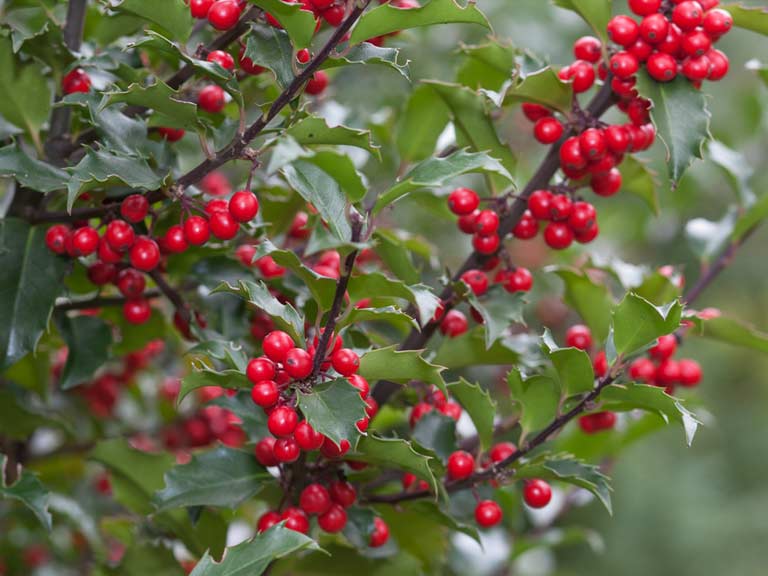
The holly tree is an evergreen plant meaning it grows all year round and provide a food source for birds in particular and can ensure populations survive winter. With over 400 species of the holly plant, it attracts a wide range of wildlife from thrushes and blackbirds to butterflies and moths. Due to its evergreen nature it is used for nesting and can be used by small mammals during the hibernation season.
Image result for holly plant
Photo from https://www.saga.co.uk/magazine/home-garden/gardening/plants/trees/how-to-grow-holly-and-get-berries

Hawthorn - 
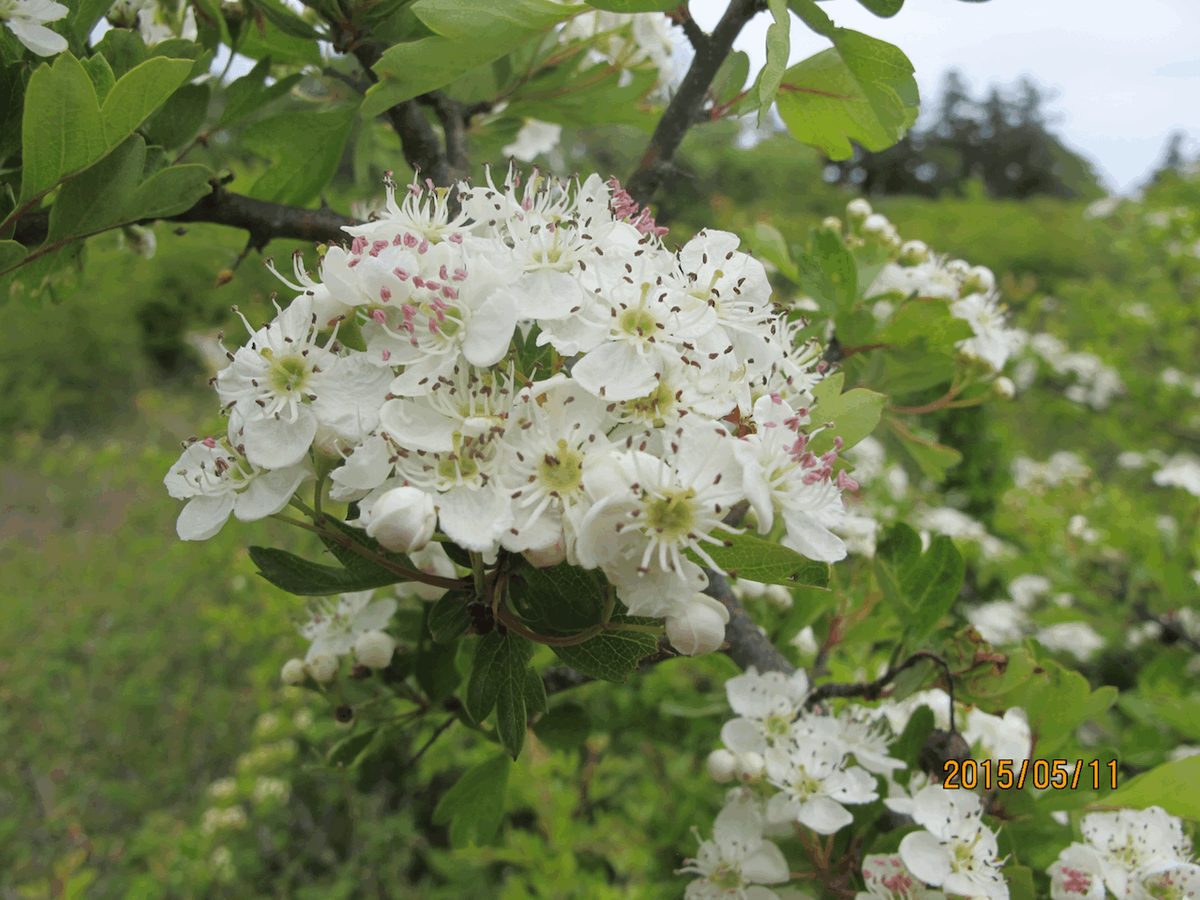
Hawthorns are one of the most common shrubs in the UK and attract around 150 species of insects and can provide a habitat for birds such as Goldfinches and Thrushes as it produces berries during the autumn. When the flowers bloom during the summer months, bumble bees love this plant and it also provides a habitat for ladybirds and earwigs. It is also a great food plant for caterpillar and can boost butterfly populations in your garden.
Image result for hawthorne plant
Photo from https://www.nwcb.wa.gov/weeds/english-hawthorn

Honeysuckle - 

Honeysuckle is so important to a wide range of species, particularly pollinators due to the incredibly sweet nectar it produces. . It also is important to the rare white admiral butterfly as the caterpillars will only feed on this plant. It also provides food and shelter for small mammals, in particular dormice.
Image result for honeysuckle
Photo from https://www.gardenia.net/plant/Lonicera-fragrantissima-Sweetest-Honeysuckle

Thyme - 
Experts encourage gardeners to include a wild range of plants including herbs. Thyme is a great one to grow as it provides nectar for bees and other pollinators but the ground cover it provides creates a safe habitat for other small invertebrates including detritivores that can improve the soil quality and organic matter content.
Image result for thyme
Photo from http://www.johnnyseeds.com/herbs/thyme/orange-thyme-seed-2934.html


Obviously, I'm not saying that if you don't plant these you don;t care about the environment because there are a range of factors to take into account such as the type of property you own, allergies and any pets you may have. If you have a large garden be sure to include a range of plants from trees, shrubs, flowers and herbs. Also don't forget to include grass as some butterflies have been known to lay eggs in the tall blades. In my opinion, we all need to be doing our bit to improve insect populations as they are vital for our way of life so even just planting a few flower pots along a balcony of a flat is a great start and should be encouraged.

Saturday, 30 June 2018

Bloglovin

<a href="https://www.bloglovin.com/blog/19513415/?claim=k49c68jz6j4">Follow my blog with Bloglovin</a>


Follow me on Bloglovin for updates here -
https://www.bloglovin.com/blogs/protecting-wild-19513415

Are Electric Cars the Answer?

Related image
Photograph from Financial Tribute, October 2017 -
https://financialtribune.com/articles/auto/74460/china-electric-car-output-to-hit-1m-next-year
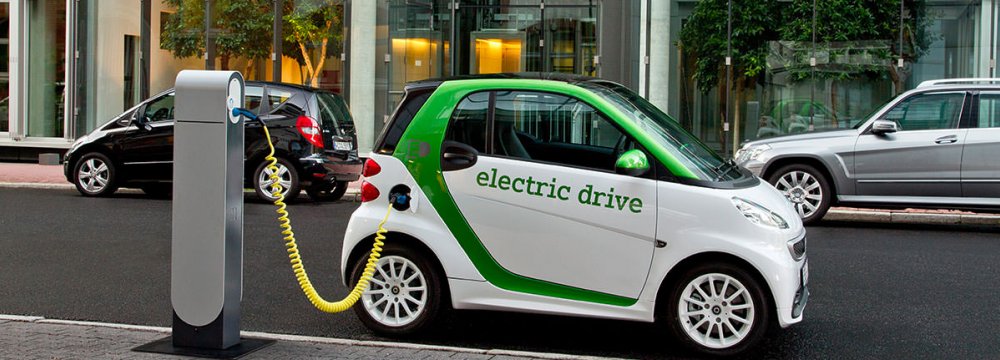
With greenhouse gas emissions continuing to rise combined the immanent threat of peak oil many of us are turning to hybrid or electric cars to get us from A to B. With 1.9 million electric cars being used globally in 2017, there has been an increase in both interest and investment in the electric car industry with global car manufacturers creating for 'eco-friendly' electric cars, the most popular of which being the Nissan Leaf. However, is purchasing one of these cars actually reducing your ecological footprint and fossil fuel consumption at all? And are there better alternatives we should be investing in?

Firstly lets look at the total greenhouse gas emissions. Per km, the average petrol run car produces the equivalent of 125g of CO2 whereas the average hybrid produces 82g per km. If your car were to be a pure electric car, the emissions would be even lower averaging at 57g per km. This is mainly due to the fact that no combustion occurs in the engine of an electric car but this doesn't mean they're completely green. Firstly, the average electric car produces 3.3 tonnes more CO2 during the production in comparison to the average for petrol cars. There are also the greenhouse gases produced during electricity generation as during 2015 roughly 66% of electricity was generated using fossil fuels, the so called 'green' cars are still contributing towards the enhanced greenhouse effect. However, there is evidence to suggest that electric cars have the potential to produce 80% less greenhouse gas emissions compared to a petrol car. Personally, I believe this to be possible as it has been proven that electric cars are more energy efficient, but the amount of emissions will vary depending on the nations energy mix as well as the future development of the car batteries. Overall, there are fewer emissions produced by electric cars and they do not produce any exhaust emission resulting in fewer NOx and PM emissions which will help improve air quality, particually in urban areas. Taking all these into account, statistically electric cars are better for the environment in terms of emissions and can be shown to improve air quality.

Despite this fact, fossil fuels still account for the majority of electricity generation with 51% of the UK's energy in 2016 being generated by natural gas and coal. This means that greenhouse gases will still be being produced and with the current geopolitical issues surrounding natural gas, the growth in electric cars could put a strain on our current reserves which can be described as touchy at best, particularly in Ukraine. Although less oil is used for electricity generation, electric cars could lead to a growth in the coal industry and open cast mining in particular has a huge environmental impact. There is large habitat damage which reduces biodiversity and puts a strain on vulnerable species due to the removal of vegetation that is considered 'overburden'. There is also the issue of sulphur dioxide emission, increasing acid rain and the release of toxic trace element polluting the water supply. The increase in demand for electricity has the potential to increase the amount of nuclear power stations as nuclear fission has an extremely high energy density, much higher than that of any current technology. There are many growing concerns as even though there are no greenhouse gas emission and it is recyclable, there is the issue of nuclear waste production and radiation which threaten the health of workers as well as the surrounding area if radioactive dust particles are released into the atmosphere. The unstable nature of radioisotopes means that there is a risk of a nuclear reactor explosion which could mean that occurrences similar to Fukishima and Chernobyl could become more common if the demand for nuclear energy would to increase.

The other main benefits is the economic savings. Most electric cars are tax free which means a saving of between £140 and £2070 annually, depending on how polluting your car is. There is also the reduced maintenance cost as no greenhouse gases and polluting exhaust gases mean there is no need for oil changes and the engine is kept cleaner for longer. There is also the Plug-in Car Grant meaning there is an additional saving with a reduced buying price but it is more than likely this grant will not last long if electric car sales begin to rise.

The biggest con however, is the lack of infrastructure available. With charging points still being relatively uncommon, many people would not feel comfortable using a pure electric car for a long journey. The batteries also have a long charging time meaning that already long journey could take twice as long and drivers will be forced to use the limited charging stations available which could could cost a pretty penny. Without the infrastructure available, it is unlikely many users will see the benefits that are being advertised as many see this as there being an increase risk in breakdown and just as inconvenience especially for those who commute regularly. With a lack of infrastructure personally I cannot see the demand for pure electric cars rising but I feel that hybrid cars are a solution to this problem as this removes the risk of running out of fuel and eliminates that risk of there being no charging stations on route.

Overall, I feel that there are better and more reliable alternatives to pure electric cars that are greener. Personally I feel that with a development in the hydrogen engine (even though it is expensive and not available yet) the future of cars will be more sustainable. This would also combat the major environmental issue of the nickel needed for car batteries and have an even lower ecological footprint.


Resources -


Monday, 4 June 2018

Can Cotton Be Sustainable?

Skyrocketing electricity costs makes cotton-growers take ...
Image from www.heraldsun.com.au

I was in Primark the other day (not the most eco-friendly I'll admit) and I noticed that they had a sustainable cotton section. Cotton farming requires a huge amount of land that is often derived from unsustainable deforestation methods (i.e. slash and burn) and the growing and harvesting process has a huge environmental impact so I was happy to see a big retailer trying to reduce the environmental impact. However this did get me thinking what made this cotton sustainable? Can cotton farming ever be sustainable?

Firstly why is cotton farming so unsustainable? 

Cotton farming has huge ethical and environmental implications the first of which being the huge water consumption with the average water footprint being 10,000 litres per kilogram. With 730 million without access to clean water globally, cotton farming increases water scarcity in the areas with the greatest need for water. Cotton is also considered the 'dirtiest crop' by many organisations, such as the EJF, with cotton farming using 16% of all insecticides. Over 98% of all insecticides kill no target species causing a decline in the main pollinator species. There is also a risk of contamination of aquatic environments from runoff causing a decline in aquatic organisms. There are also health implications for workers and with 99% of all cotton farmers living in third world countries, there is a lack of safety and hazard testing. For example, a common pesticide used for cotton farming is easily absorbed via the skin and has the potential to kill. Other health implications of insecticides include respiratory illnesses, memory loss and seizures. There is also a huge amount of pollution produced as a result of deforestation and the chemicals used in the dyeing and bleaching process causes a large amount of environmental degradation. These chemicals include heavy metals and benzidine/chlorine bleaches which have been linked to an increased risk of cancer. 

There is also a huge socioeconomic impact with the workers in third world nations receiving low wages and the rich TNC's receiving the majority of profits, driving the poverty cycle. The majority of workers receive wages lower than the amount needed to meet their basic human needs. Many of these workers work long working days (with hours above the limit set by the International Labour Organisation) and overtime often goes unpaid. There is also a huge number of children working in the fields and Uzbekistan has been outed for shutting schools and forcing children to work in cotton fields. 

This begs the question what is the difference between 'normal' cotton and sustainable cotton, like the one used in Primark?

Sustainable cotton is defines as the sources being 'either organic, better or recycled' which has the potential to vastly reduce the environmental footprint of cotton farming. With the greatest amount of energy being used, resulting in a large amount of pollution, is during the extraction and processing of cotton so recycled cotton will greatly reduce the ecological footprint. Cotton that is certified GRS (Global Recycle Standard) ensures that cotton has been produced with minimal environmental and chemical impacts throughout the entire production process. This ensures the cotton farm has a chemical management system in place to meet all the legal requirements and to reduce the amount of pollution and run off. It also ensures that all companies meet the set target for energy use (as set by Textile Exchange) and there are frequent reviews to help improve energy efficiency. there are also set targets for water use and air pollution levels helping to reduce the environmental impact further.

Organic is defined as "produced or involving production without the use of chemical fertilisers, pesticides, or other artificial chemicals" in the Oxford dictionary. Although natural pesticides and fertilisers can still be harmful, there is less contribution to acidification and eutrophaction, reducing the impact on aquatic life and the soil in the surrounding area helping both the local people and the biodiversity. The chemicals used to treat regular cotton can bio-accumulate within the food chain meaning the impacts can be seen in the top predators even though they are not in direct contact with the chemical as it is stored in the fatty tissue of smaller, prey organisms. Pesticides have been linked to 67 million annual deaths in birds in the U.S. alone due to the bio-accumulating properties. With less pesticide use, there is a greater chance of bio-diversity recovering in cotton farming areas.

Image result for certified organic cotton label
Photo of certified organic cotton labels from babycribbed.com

There are also major differences to the workers, with organisations working to improve working conditions. The Better Cotton Initiative ensure that farmers receive more of the profits, better working conditions and healthcare and has been based on UN labour standards. This mean there is a better quality of life for the workers as there is less fear of discrimination and better workers rights so they are not afraid of becoming unemployed if they do not receive a pay cut. The increase in disposable income means there is a greater chance of improving sanitation, education and access to clean water and food. The knock on effects mean that workers under these initiatives have a chance at a better quality of life.

There are a large number of cotton standards and projects to help improve the sustainability but with less than 1% of the worlds cotton being certified organic, there is still a huge amount of demand and need for unsustainable farming methods to meet the huge demand. With 120.8 million bales (at 480 pounds each) being produced in 2017, more retailers need to enforce these farming methods to ensure the minimal environmental impact and ensure we have cotton as a resource for the future. However, in my opinion cotton is one of the most unsustainable materials and there are better options for retailers to invest in with a much smaller impact. For example, not only is hemp a more durable material, which will help reduce the production demand, but also requires half the amount of land that cotton does and requires less water at 2,000 L per kg. There are also more sustainable materials such as linen and soy silk showing there are materials out there that can improve the sustainability of the fashion industry. A life cycle assessment carried out but the Textile Exchange staes that organic farmed cotton was "significantly more environmental friendly" but organic cotton also requires more land than convential cotton as it has a much lower yield so some believe that it may lead to an increase in deforestation, questioning the sustainability of organic cotton. There are also more sustainable materials such as linen and soy silk showing there are materials out there that can improve the sustainability of the fashion industry.

Overall, my personal view is that recycled cotton is a better option than organic and conventional cotton due to the reduced chemical and land use. Despite this I do feel that there are better options available and companies should be investing in these materials. I do feel that some responsibility should lie with the consumer as there are alternatives such as buying second hand clothing and choosing your clothing brands more carefully.


References -