Showing posts with label nature. Show all posts

Wednesday, 20 March 2019

The Importance of Peatlands

University of Leeds | News > Environment > Peatland Code ...
Photo of a peatland habitat. from leeds.ac.uk

In the UK, 10% of our land area are covered in peatlands and are vital not only to our economy and wildlife but as a form of carbon sequestration. Despite these factors, peatlands are given little care, unless designated by governments, as they are often just seen as bogs with nutrient rich soil making them ideal spots for the growing agricultural industry. However, the elevated water table means that drainage is required which removes the required vegetation (also know as bog builders)  that have lead to a dramatic decline in global peatland habitats. So what is being done to reverse this and why are these habitats so important?

So peatlands are essentially a soft, nutrient rich soil that forms over a long period of time, in a similar way to coal, under anaerobic conditions. These habitats also acts as a large store of water that leads to the colonisation of Sphagnum mosses that lead to the development of peat habitats such as swamps and wetlands. In the UK there are 10 key peatland Sphagnum species with most common being Baltic Bog-moss that is protected under UK legislation. These mosses have a sponge like structure meaning they store large quantities of water, preventing the surrounding area from drying up. This specific property also helps to prevent any decay and decomposition aiding the accumulation of peat and helping to maintain these diverse habitats. The bog building plants also help to shape the habitat by creating pool and hammock structures that increase the water table, making more water more available to plants on the surface. If these species are removed, it would cause a decline in peat formation, water supply and affect the topography of the habitat.

Global, peatlands are currently storing 500 GT (which is more than all forests) of carbon as a result of peat being made of dead and decaying vegetation which is stored instead of being released into the atmosphere in the form of carbon dioxide. When peatlands are drained and deforested, that stored carbon is then released into the atmosphere so imagine the damage that would be done if all the peatlands around the world were gone? RIP polar bears. These habitats also act as a store of water which not only benefits biodiversity but can also increase ground water levels in the surrounding area and the moss structure helps to filter the groundwater. This means that our water reservoirs would face serious decline in these peatland habitats continue to decrease in size and quality.

Peatlands tend to have a low species diversity due to the habitat creating a small niche so only specialised organism can live there. As the habitat is currently declining many of the species are subsequently following, including the Common Scoter and the Mountain Hare, and the specialised habitat requirements of these species mean they cannot colonise other habitats. As these habitats are declining the competition between and amongst species is increasing therefore reducing the population However, action is being taken especially regarding the protection of breeding birds as several peat habitats, including the North Pennies, have been designated a SPA (Special Protection Area). These areas are maintained and managed in order to increase specific bird populations. Most of these habitats are also listed a SSSI's (sites of special scientific interest) which are areas managed by Natural England due to their biological or geological interest. This ensures that land owners take all the necessary precautions to protect these areas, including many peatland habitats, from damage.

Despite vast restoration efforts, I feel that the importance of these areas is not emphasised to the general public, mainly because they aren't necessarily as aesthetically pleasing as the bright and vibrant tropical rainforests we see. Do I think more could be done? Absolutely. However, the UK government is making good efforts to designated and protect these areas but could invest in future expansion projects to increase the size of our peatlands.


Resources

Wednesday, 20 February 2019

Does Our Environment Affect Our Welfare and Health?

There's no question that we are having a grave impact on our environment whether that is through climate change or habitat destruction. Many of us believe that in order to improve our happiness and welfare we need to have a high income and economic growth in our country but there have been many reports to suggest that there is a strong link between growing the economy and environmental degradation. So what does this mean for our health? Can we really be at our happiest and healthiest with the current trend of over exploitation?

According to the World Bank, in 2014 globally we emitted 36.2 million Ktonnes of CO2 in contrast to the 9 million Ktonnes emitted in 1960 which has made us more vulnerable to respiratory illness. The WHO has linked 3 million deaths each year to outdoor air pollution with reference to illness ranging from asthma and bronchitis to lung cancer. These reports also state these illnesses are higher in industrial areas and larger cities due to excess transport fumes and burning of fossil fuels. There has also been a link between high concentrations of air pollution and cardiovascular illness which puts us at greater risk of heart attack, stroke and angina. One way this occurs is through particulate matter entering the blood stream, restricting the movement of blood vessels, increasing blood pressure and therefore increasing our risk of suffering a heart attack.

Sunlight provides us with vitamin D which is needed to regulate calcium and phosphate within the body, helping to maintain healthy bones and muscles. We as humans require 10 micrograms of vitamin D a day, most of which we are supposed to get naturally through sunlight meaning we do have to step out of the house occasionally. A lack of vitamin D in extreme cases can cause rickets in children that leads to weak bones and deformities. This causes a high number of bone fractures and can eventually cause a curvature of the spine, leading to a permanent disability. Low vitamin D can also cause osteomalacia, which is similar to rickets, in adults causing bones to soften. With 1 in 5 people in the UK having low vitamin D levels, it is important we spend more time outdoors (and maybe consider a supplement in winter).

There have also been studies suggesting a link between time outside and an improvement in mental health with studies showing time outdoors reduces stress and reduces the symptoms of depression and anxiety. Scientists have suggested that urban and man made environments has 'constant simulation' that leads to mental fatigue, making those living in cities at greater risk of mental illness. Those living in rural areas also have better sleep with less noises keeping them awake. This will help to improve concentration, lower stress and improve moods which will allow people to be more productive.

There is also the obvious benefit that walking in a natural environment keeps us active, aids weight loss and maintains a healthy heart. Sitting down for too long can cause a decline in bone density and increase blood pressure after deposits in the blood vessels are not removed. All of these factors have been linked to a lower life expectancy by increasing our risk of stroke, heart disease and diabetes just to name a few.

So we all need to get outside in nature to help improve our health and wellbeing. However, I'm not saying that if you live in a city you're going to get ill and live a shorter life because that's not the case. Most large cities have parks and open spaces you can visit and city councils should be turning old sites into open spaces to encourage the urban population the get out and appreciate nature and we should all be doing our bit to protect it to protect the health of the future generations.


References
https://ourworldindata.org/air-pollution#death-rates-from-air-pollution
https://www.bhf.org.uk/informationsupport/support/practical-support/air-pollution
https://www.nhs.uk/conditions/vitamins-and-minerals/vitamin-d/
https://patient.info/health/osteoporosis-leaflet/vitamin-d-deficiency

Tuesday, 12 February 2019

Mangroves: The Natural Defence for Coastlines

Figure 1 - A map highlighting the distribution of mangrove forests (in black) throughout the globe (RomaƱach, 2017)

Across the intertidal zone are a collection of mangrove forests located along the coastlines of equatorial countries (figure 1), the largest being The Sundarbans in Bangladesh covering a total of 140,000 ha. These forests are often referred to as 'the roots of the sea' due to the complex aerial root system that spend the majority of the time above sea level enabling the plant to survive in the anaerobic soil, making these ecosystems tolerant to a hypersaline environment. With 40% of mangrove species labelled threatened by the IUCN, these coastal areas could be at greater risk of coastal erosion, storm surges and sea level rise. It is important these issues are understood to aid conservation of global coastlines as well as these beautiful unique habitats.

Figure 2 - A photograph showing the dense root systems of mangrove forests that reduce erosion 

Erosion is defined as “the process of eroding or being eroded by wind, water, or other natural agents”  and the complex, uneven aerial root system (figure 2) of mangroves reduces erosion of the shore. Mangroves have reportedly reduced the height waves up to 66% and slow the flow of seawater as the vegetation acts as a buffer between the land and sea. This enables 70-80% of incoming sediment to settle resulting, increasing biomass. This helps to increase the fertility in these harsh environments, increasing biodiversity, as mangrove soils have a high nutrient content. This gradual accumulation of biomass, over a long-time period, allows peat to form which is a long-term carbon sink helping to reduce carbon in the atmosphere. The dense roots bind soil particles together meaning an increase in mangrove trees means that less soil particles will become dislodged by incoming waves. This reduces the risk of flooding and damage to infrastructure in coastal communities. This risk increased in Guyana as after the removal of mangroves, coastal erosion increased 3 m annually.

The dense vegetation helps to reduce the impact of hurricanes and tsunamis inland by reducing the force of the storm surge. Figure 3 shows a storm surge is a large increase in sea water due to extreme weather, that often carries debris, that causes damage to infrastructure and flooding. The complex structure of mangrove forests increases the frictional resistance resulting in a drop in the force of the storm surge and slowing the flow rate of the wave. Storm surges are the biggest cause of damage during storms affecting causing large scale damage to properties, roads, biodiversity and coastal erosion. Studies have reported that mangroves can reduce the amplitude of a storm surge by 6 to 10 cm/km resulting in a decline in inland flooding and may fewer individuals at risk. However, the force from the waves can damage the mangroves often resulting in uprooting and damaging trunks so the health of mangrove forests should be monitored to ensure future storm surges have a reduced impact.

Figure 3 - A graphic showing the large increase in wave size during a storm surge 

Not only do mangroves provide a habitat to endangered species, including the Bengal tiger, but there are also major benefits to the human population as they reduce the risk to coastal settlements. Despite these major benefits, deforestation of these unique habitats is still on the rise due to the growth in aquaculture and the high value of mangrove wood potentially putting coastlines at risk.


Bibliography


Wednesday, 9 January 2019

Are Fireworks Damaging Our Environment?


Happy new year! Our beautiful planet has taken another journey around our sun meaning that we celebrate with over the top and elaborate firework displays and excessive drinking. Whilst watching the London fireworks on TV, I couldn't help but notice the large amount of smoke being emitted which got me thinking could these beautiful sparks of light actually be having a big impact on the environment?

A picture of fireworks. From pixabay.com

Before looking at the impact I was curious what these were actually made of. In the simplest form, fireworks are tubes filled with gunpowder, wrapped in flash paper and attached to a fuse, hence the explosion. However, to create the sparkle and the colour aluminium, iron, steel, zinc, or magnesium are added as these ensure that fireworks will burn for longer and brighter. Compounds of strontium, lithium, sodium, barium or copper are added to change the colour as these react with heat differently to produce different coloured flames, thus creating the beautiful displays we see twice a year. These additions are the biggest concern as in high concentrations, they can be toxic for both humans and wildlife. The fireworks create particulate matter containing the toxic elements that will eventually settle on land and, if landed on soil, can be taken into the plant system via the roots and enter the food chain via bio-magnification. Aluminium alone can affect the functions of gills in fish as it acts as an inhibitor for the enzyme responsible for the uptake of ions and will therefore reduce fish populations and any predators feeding on the poisoned fish.

Another issue is the smoke caused as it increases particulate matter levels and increases carbon dioxide concentrations within our atmosphere. Particulate matter is a collection of particles (under 100 micrometers) that are either produced naturally or, in the case of fireworks, are produced from chemical reactions. Minerals (including aluminium, silicon, iron and calcium) are producers of particulate matter and, as previously stated, some of these are included in the makeup of fireworks but this composition varies depending on colour. The monitoring of particulate matter has shown that pollution episodes (above average concentrations) occur around January and November implying there may be a link between New Year and Bonfire night. During these winter months, high PM concentration have been linked to temperature inversion that are responsible for trapping pollution at ground levels, in turn increasing our exposure time. There are a range of health impacts ranging from respiratory illness to affecting the cardiovascular system with these risks being greatest during inversions which is shown by the increase of breathing problems of over 30% during Diwali. However, there is also a large environmental impact the first one being the impact of photosynthesis as PM deposits on the leaves of green plants reducing the contact to sunlight. This can reduce the rate of plant growth and therefore lessening the amount of food available to primary consumers. This can affect of the rest of the food web as it reduces energy available for higher tropic levels (basically reducing food for top predators) especially if the primary consumer populations are affected.

The chemical process of lighting the gun powder has been linked to the pollution of sulphur dioxide and nitrogen dioxide, both of which are major polluting gases. Sulphur dioxide is directly linked to the production of acid rain that can corrode metal and limestone structures as well as the exoskeletons of invertebrates. As many small invertebrates are the basis of any food web, this can again affect higher tropic levels and affect the food availability within the ecosystem. This can also affect the pH of water bodies and has the potential to cause ocean acidification which is a cause for coral bleaching. As our coral reefs are currently in decline shouldn't we be doing everything in our power to reduce acid rain, especially for things that are not strictly necessary?  Nitrogen dioxide has been linked to increased eutrophication, decreasing the sunlight available to a water supply by the growth of algal blooms. This causes a decline in oxygen from a lack of photosynthesis affecting the populations of marine organisms thus reducing biodiversity. This, again, can affect human health and can cause nitrogen dioxide poisoning as it can irritate the mucous membrane in the lungs.

So with these major environmental impacts shouldn't we be focusing on reducing our use of fireworks rather than spending millions on elaborate firework displays every year? With so much advancement in scientific knowledge, it does seem strange to me that we have not found a more sustainable alternative, despite the fact that firework displays are unnecessary to our well being but I can see that it is a tradition and culturally we associate these with celebrations. With the development of renewable energy sources, light and laswer shows could be an alternative if done safely. With climate change being on the tip of everyone tongue, I think we should be looking at smaller issues, like fireworks, in order to help the bigger picture.


References

Sunday, 4 November 2018

Animal Agriculture and Climate Change

Agriculture | Climate Vulture
https://climatevulture.com/category/blog-topics/agriculture/

Climate change is a major global issue with it being a key talking point amongst governments and IGO's (*ahem America*). Everyone is aware of the obvious contributors including exhaust emissions and fossil fuels but recently it has been suggested that animal agriculture may be a bigger contributor to the greenhouse effect than originally thought. There has been evidence to suggest that as our meat consumption has grown so have our carbon emissions but this could also be due to the growth of industry, population and a greater dependence on fossil fuels. So does this mean documentaries like Cowspiracy are wrong?


It is suggested that livestock is responsible for 18% of greenhouse gas emissions globally. With the addition of the byproducts, it could be as high as 51% with a projected increase of 80% by 2050. These byproducts include transportation, food and heating. Most of these emissions are methane that are produced by the growing cattle industry and bad land management and with methane having a global warming potential 86 times greater than carbon dioxide, it is no wonder livestock are essentially destroying out planet. Methane is produces in the stomach of cows and sheep as the ingested plants undergo fermentation that produces methane as a by-product essentially meaning cow farts are destroying the environment. It doesn't take a genius to realise that as the "need" for beef grows so will these toxic methane emissions. In fact methane emissions from livestock are similar to those produced by natural gas, questioning if we should be shifting from promoting electric cars to a more plant based diet.

With animal agriculture covering an estimated 45% of land, livestock is a primary contributor to habitat loss and deforestation on a global scale. Globally, all agriculture is responsible for 80% of deforestation, with the biggest causes for habitat destruction in the Amazon basin being cattle ranches and soya plantations. Although crops are a cause for deforestation, we will see a very small percentage of these yields as most will be used for animal feed. In order to achieve maximum yield and profit, cattle require a large amount of food. If we think about this in terms of tropic levels, as we move up a level (or a stage in the food chain) 90% of energy is lost so we need more cows to produce the amount of beef we need to meet our energy needs. This means more cattle ranches and more animal feed. As most of us are aware, forests are an important carbon sink and help to reduce the enhanced greenhouse effect and if agriculture continues to grow, so will the amount of greenhouse gases in the atmosphere.

Did you know a farm with 2,500 cattle produces the same amount of waste as over 410,000 people? If it is disposed of incorrectly it can result in anaerobic digestion, again resulting in the release of methane. Another side effect is eutrophication reducing nutrient availability, creating algal blooms and a decline in biodiversity. Not to mention the fact it is a direct cause of water pollution and poses a huge health risk to animals and humans alike.

So overall do I believe a plant based diet will help reduce carbon emissions. Yes, all the facts support this. However it is important that we also understand that we have a meat eating culture spanning thousands of years and we have been taught our whole lives nutrition must contain animal products. Therefore this change cannot be expected to happen overnight but even if you only eat meant 3 or 4 times a week, you will still have significantly cut your carbon footprint.


Resources -

Friday, 5 October 2018

How Does Plastic Travel in the Ocean

8(q) Surface and Subsurface Ocean Currents: Ocean Current Map
Map of ocean currents - (Pidwirny, 2006)

In 2017, scientists estimated that there was roughly 100 million tons of plastic in our oceans, with this figure constantly on the rise. The plastics are constantly circulating the globe via ocean currents which is the movement of sea water between locations, in a similar way to a conveyor belt, that are generated by a range of forces that change regionally including wind speed and force as well temperature difference. This has led to large accumulations, particularly of microplastic, specific areas of the ocean with the most well-known being the Great Pacific Garbage Patch. All the mentioned factors (plus many more) mean that rubbish from my university in Plymouth could end up polluting the Great Barrier Reef.

Ocean currents are defined as “a horizontal flow of water through the ocean” (according to the freedictionary.com) that redistributes heat from the sun through the globe. The movements that generate the currents are often seasonal and affected by a range of factors including:
• Differences in temperature
• Wind direction and speed
• Gravitational pull from moon and sun
• Rise and fall of the tides
• Salinity
• Atmospheric pressure

The global system of ocean currents has an important role within a range of ecosystems as well as the global climate. Ocean currents carry heat from tropical regions and transports and redistributes this heat away from the equator to warm coastal areas, making land more habitable and increasing soil fertility. They also have an impact on the weather as warmer water has a higher rate of evaporation, resulting in heavier rainfall in tropical regions which allows the tropical rainforests to have the heavy rainfall and humidity it is known for. This is what gives these rainforests the fertile soil that allows the beautiful tropical plants to grow. Currents also increase the biodiversity in the photic zone (or the top layer of the ocean) as upwelling occurs that bring nutrients to the surface. This allows phytoplankton to grow and increase in population that increase oxygen levels and provide more food for the primary consumers in the food chain. Needless to say this has a knock on effect and affects higher trophic levels within the ecosystem.

The global transport of plastics via ocean currents has created ‘rubbish hotspots’ such as the Great Pacific Garbage Patch. Despite public belief, the Great Pacific Garbage Patch is not a large mound of debris in the middle of the pacific like the name suggests and it is not even visible by satellite. The other name the Pacific Trash Vortex describes the area much better as it is a gyre containing high concentrations of marine litter and chemicals that circulate the North Pacific Ocean. With 1.9 million pieces of microplastic per square mile, the risk to the ecosystem in this area is huge and as 70% of all litter in the ocean sink to the floor the unseen impacts may be even greater than expected. The North Pacific Gyre keeps the debris circulating the North Pacific Ocean and creates convergence zones that are the natural gathering points within the ocean current system. In the case of the North Pacific, the two largest convergence zones are the western Garbage Patch and the eastern Garbage Patch (shown below). The constant movement of the gyre means that the microplastic and other marine debris remains trapped within the North Pacific ecosystem, amplifying the damage even more.

A map showing the North Pacific Garbage patch, (NOAA - Response and Restoration, 2013)

As the amount of plastic within our oceans continues to rise, we could be seeing more gatherings of plastics like the pacific garbage patch as it is transported globally and deposited by ocean currents. This has a huge impact on biodiversity in these areas and have been ingested by species, particularly seas turtles, as well as entangling others. With 17% or all threatened marine species being affected by plastic in our oceans, we need to be more aware that plastic does travel within our oceans and dropping a plastic bottle on your local beach could impact the Great Barrier Reef or be ingested by the endangered Leatherback turtle. 


References -


  • Krieger, A. (2016, Febuary 7). What will it take to get plastics out of the ocean? Vox: https://www.vox.com/2016/2/7/10928788/ocean-plastic-pollution-solutions
  • National Geographic. (2014, September 19). Great Pacific Garbage Patch.  https://www.nationalgeographic.org/encyclopedia/great-pacific-garbage-patch/
  • NOAA - Response and Restoration. (2013, Febuary 7th). How Big Is the "Great Pacific Garbage Patch"? Science vs. Myth. Office of Response and Restoration: https://response.restoration.noaa.gov/about/media/how-big-great-pacific-garbage-patch-science-vs-myth.html
  • Pidwirny, M. (2006). Surface and Subsurface Ocean Currents: Ocean Current Map. Retrieved from Fundamentals of Physical Geography: http://www.physicalgeography.net/fundamentals/8q_1.html
  • Sea Turtle Conservancy. (2017). Information About Sea Turtles: Threats from Marine Debris. Sea Turtle Conservancy: https://conserveturtles.org/information-sea-turtles-threats-marine-debris/


Saturday, 22 September 2018

Dear Hollywood, Stop Making Us Afraid of Sharks

25 Great White Shark HD Wallpapers | Backgrounds ...
Photo of a Great White Shark
Photo from https://wall.alphacoders.com/by_sub_category.php?id=206047&name=Great+White+Shark+Wallpapers

I love sharks. I think they're some of the most beautiful and interesting species in our oceans which is the main reason I want to study them for my dissertation. My dream is to be able to travel to Australia and study the Great White and work on conserving them. However, this seems to be an unpopular opinion with 39% of adults in the UK saying they HATE sharks, with just under half of these justifying their answer with the argument that they attack humans. Granted the slightly scary appearance, particularly the large teeth, can scare some but could the main reason be the fact they often come off a vicious monsters in blockbuster films such as The Shallows. These films are designed to scare us and keep us on the edge of our seats and as a result they have been mad out to these giant human killers that isn't really the case. I feel the majority of selachophobia, or a fear of sharks, has been brought about by the growing genre of shark attack films.

Firstly, I am not saying that shark attacks do not occur because they do and beach goers in shark waters should be cautious. Everyone is aware of the tragic case of surfer Bethany Hamilton who had her arm bitten off in 2003 by a tiger shark. However, despite what Hollywood will have us believe, the danger from dying as a result of a shark attack is far smaller than we may initially think. Did you know you have a 1 in 3,748,067 chance of dying by shark attack? To put this into perspective, the risk of dying of heart disease is 1 in 5 and dying as a result of a car accident is 1 in 84. Even your chance of drowning is 1 in 1,134 making the ocean itself far more dangerous than the scariest creatures in them. In fact there are on average 4 sharks related deaths a year which is 16 less than deaths caused by cows (both in the USA). Another false fact seemingly portrayed is that we're a tasty snack for sharks, particularly Great Whites but if they bite us, they tend to spit us out because our bones are too dense for their slow digestive systems. In fact the only reason they bite us (in the very few cases that there actually are of shark bites) is out of curiosity. Although all sharks are carnivores, roughly 70-80% of their diet is made up of small fish making the chance of being bitten by a shark very slim. With over 465 known species, very few even pose a threat to humans and even the largest species (the Whale Shark) are actually filter feeders meaning they feed in a similar way to most whales with a diet mainly made from plankton. They also range in size the smallest being the Pygmy shark at 7-inches long suggesting the Hollywood image that shark are giant hunters lurking along our coastlines may be inaccurate.

How Different Shark Species Measure Up [Infographic ...
Comparision of the size of different shark species.
Photo from https://www.pinterest.co.uk/pin/511299363927109368/

As a matter of fact, we need sharks. Firstly, sharks contribute to ecotourism that help boost local and national economies. In Fiji alone, 78% of all visiting divers participate in some form of shark diving which created US$5.9 million in taxes in 2010. In fact, the shark-diving industry in Fiji is valued at US$42.2 million annually. This isn't taking into account the 'economic multipliers' that benefit the local economies including accommodation for tourists as well as tourists spending money in local businesses. In fact in Ganbaai (South Africa)50% of all local business sales are related in some way to Great White Sharks. Sharks also play a very important role within the ecosystem as they keep the food webs in balance by maintaining healthy fish populations. Sharks are often the top predators and are often referred to as keystone species as the health of the ecosystem can be estimated by monitoring the shark population. Without the sharks, the prey populations (i.e. small fish) would get too big causing overgrazing of the sea plants therefore reducing the amount of oxygen available. Not to mention this limits the damage to coral reefs from large fish populations. Believe it or not, they can actually limit or stop the spread of disease as they are more likely to prey on the weak, sick and older fish meaning they stop outbreaks and a declining population. Did you also know that sharks have helped to design wet suits? Biomimetics is using a natural structure (or an organism) in science and engineering so shark skins were studied to create the aerodynamic style of wet suits. These are just three ways sharks actually benefit us and the planet. I could write lists and lists about all the ways we need sharks but it would take forever to read and also that;s a lot of effort to write.

So why are we so afraid of sharks if they don't actually pose a huge threat to us, in fact it has been proven they benefit us. Personally I feel that they are turned into villains by the film industry. As money is the priority for this industry (well actually most industries) scary things sell so any predator is at risk of being displayed inaccurately with little scientific evidence. Could this be increasing the amount of shark hunting? That however is up for debate. 


Resources - 

Sunday, 16 September 2018

What Does Being 'Eco-Friendly' Really Mean?

Eco-Friendly Cleaning & Storage Products
Image from https://www.lifestorage.com/blog/storage/celebrate-earth-day-eco-friendly-cleaning-storage-products/

Is it just me or has being 'eco-friendly' become very on trend recently? With every supermarket having a larger range of environmentally friendly products and more people making more ethical choices being environmentally friendly seems to be growing within the general public. The big question is do we actually know what this means or are we just trusting labels that say 'green' to improve our sustainability?

With many people, my mother included, bot actually knowing what the term 'eco-friendly' really means. When I spoke to my mum about this she just thought it meant minimising your impact on the environment but realistically she had no idea how to do this. Environmentally friendly is defined as "that has no or the least possible impact on the environment" (The Free Dictionary) which appears to be the standard definition so well done mum. Basically it means acting in a certain way to make your impact on the natural environment to a minimum in order to promote and live a more sustainable life to the best of your ability. Let's just accept that (as sad as it may be) in modern day society but we can make a more conscious effort with many people turning to these labelled, eco-friendly products in an attempt to cut their carbon footprint. There are also a few simple easy ways to help you achieve a more eco-friendly lifestyle.

Not to get on my vegan high horse, but one big way to do this is to cut down your meat consumption. 18% of all greenhouse gas emission is from animal agriculture but these emissions are expected to rise 80% by 2050. If you think about it, we have the emission from transporting livestock, heating the farms and fertilisers. I could go on an on about how this is important but I would recommend you watch Cowspiracy if you don't believe me.

Another way is to look at your energy and better ways to conserve it in order to reduce our fossil fuel consumption to help reduce that ever looming climate change. Simple ways such as turning off your lights and maximising the amount of daylight can not only lower your carbon footprint but can also help slash your energy bill saving you a pretty penny. Did you know that dusty light bulbs can reduce the light output but up to 50% meaning you're going to need more electricity and bulbs to lighten up your living room. Another way is when purchasing new items focus on those efficiency labels!! Always make sure they're in the green to help slash that carbon footprint. Check out Conserve Energy for more ways to save energy (and money).

Another way is to buy recycled products. One simple swap is to buy the toilet paper (which is defiantly available from Tesco and Sainsbury's) that is made from recycled paper that reduces the amount in landfill, the amount of chemicals used for bleaching and reduces the amount of raw materials we use. There is also recycled stationary available which is perfect for students, such as myself, looking to be much more green. The Green Stationary Company offers a wide range but I have seen some of these around the supermarket so just keep your eyes open and read the packaging. There are plenty of products out there for you to try so get researching and feel free to share in the comments.

What Your Recyclables Become
Image from Department of Environmental Protection
https://www1.maine.gov/dep/waste/recycle/whatrecyclablesbecome.html
 Another key way to to maximise your use of reusable products this can include reusable cups, toiletries and containers to help cut the dreaded single use plastic present in your home. On average 50% of the plastic we use are thrown away after just one use swapping to a reusable razor (or even a straight razor) is just one product to can by to help cut waste. In fact, my razor is made from recycled yogurt pots (check me out). Did you know that the average woman uses up to 16,800 disposable pads and tampons throughout her lifetime?  With all of this going to landfill and with a high amount of plastic used, these defiantly do not count as green. Many environmentally conscious women are turning to washable cotton pads as well as menstrual cups which are definitely available from Boots and Superdrug. To get closer to that desirable 'eco-friendly' status, we should aim to cut our dependence on single use plastics. 

So overall, being eco-friendly is making an effort to cut our carbon footprint and buy sustainable. I would recommend you get online and look at products to help you achieve this and look for alternatives next time you're in the supermarket. Maybe even shop locally and check out your locally fruit and veg stall like I do every week. However, it is important to remember that in modern society it is nearly impossible to be 100% green. Just do your best and be conscious of your impact on the environment and do your best to cut it and reduce it as much as possible.


Resources -

Thursday, 13 September 2018

Ghost Fishing: The unseen problem in our oceans

Fishing for Ghosts: the removal of derelict fishing gear ...
photograph of ghost gear on the sea bed -
https://www.ecosia.org/images?q=ghost+fishing#id=5D43E26A116A7D8952B16078B4095F728572BE87

With the growing human impact on our oceans being widely mentioned in the media (thanks Blue Planet) things like using plastic straws have fallen out of fashion with the general public being more conscious of our impact on marine life. Although I am so happy about the interest in our oceans, plastic straws only make up a small percentage of plastic waste and most of it is waste from the fishing industry. This got me thinking about ghost fishing, a subject I studied during college, that has such a huge negative impact but is barely spoken about in the media in an attempt to raise awareness of this growing problem.

So what is 'ghost fishing'? It's when old fishing equipment that is no longer in use has been abandoned in our oceans and still traps fish and other marine animals including the beloved sea turtle. This creates a positive feedback mechanism as the trapped fish act as bait for larger fish, capturing and endangering a greater number of marine species. The abandoned equipment also causes alterations to the sea floor, damaging the sea bed and the habitat for species including sea stars and crabs.

The abandoned 'ghost gear' accounts for 10% of all marine litter (which is a lot higher than plastic straws) and entangles, on average, 11 whales annually in West Coast America alone so imagine how many become injured or die globally because of this abandoned equipment. With an estimated 640,000 tonnes of fishing nets (not including lobster traps and other fishing gear) polluting our oceans we are putting a huge number of rare species at risk unnecessarily. With a single net entangling between 30-40 marine animals, these have a severe impact on the ecosystem as they have been known to entangle a huge range of species from sharks and whales to sea stars and small fish. Another environmental issue is the damage to habitat. Heavy equipment ,such as crab and lobster traps, sink to the bottom and disturb the sea bed and can be responsible for dredging as well as smothering organisms that live on the sea bed including sea grasses and crabs. Coral reefs are at great risk as ocean currents carry heavy traps that can destroy the coral habitat.

Currently there are several programmes an initiatives globally that aim to tackle and reduce this problem including the Global Ghost Gear Initiative (GGGI), which DEFRA is participating in, that aims to improve the health of our marine ecosystems by removing discarded fishing gear. One thing they do is collect evidence and information including how much equipment has been collected and it is mapped to work out any trends and possible impacts to biodiversity by locating any hotspots. They also aim to define and enforce polices, including management of gear on board to ensure that no equipment is lost at seas particularly in stormy weather.  These are just a few simple ways this initiative is helping this growing issue and with participation from governments, NGO's and the private sector the GGGI will continue to develop further and hopefully achieve the aim of cleaner oceans. One example of a participating organisation is KIMO international which run the GGGI Solution Project in Scotland which is responsible for removing 50 tonnes of ghost gear from Scottish coastlines.

Ghost fishing has become much more regulated by governments who are aiming to punish those responsible but in my view much more can be done to tackle this growing issue starting with public awareness. Let's focus less on plastic straws and more on larger marine debris that has a much larger, and more fatal impact.


Resources -


Saturday, 11 August 2018

Easy Ways To Help Our Planet

Hotel Ć¢€˜greenwashingĆ¢€™ dirties eco-friendly reputation | WSU ...
Sue McMurray, WSU,
 https://news.wsu.edu/2015/10/01/hotel-greenwashing-dirties-eco-friendly-reputation/

With climate change being a current issue and continuing to grow in concern, it is more important that ever that we all do our part to help protect the environment. When talking to friends and family, many of them believe that it will be far to difficult or expensive. Granted the complete zero waste lifestyle, although possible, does take a lot more effort than a 'conventional' lifestyle but there are several simple changes or steps every homeowner can take to reduce our environmental impact.

First thing is to buy second hand or recycled goods. This can include using the library, charity shops or online stores such as Vinted (which I have spent too much time one ... whoops) which offer absolute bargains that will not only save you money but it will also helps reduce the demand for natural resources that are finite. Not to mention a reduction in the use of chemicals, dyes and synthetic fibres that end up polluting both our terrestrial and aquatic environments. Materials such as polyester (which makes up 60% of all clothing) and nylon is manufactured using petroleum which we all know contributes to the enhanced greenhouse effect as well as leading to the creation of micro-plastics due to their non-biodegradable nature. With on 20 items of clothing being manufactured per person annually, it is no wonder that the fashion industry is the second most polluting industry globally and accounts for 10% of the global carbon footprint which makes sense if you take into account the transportation, soil erosion, water use and waste production.

Did you know it has been reported that paper coffee cups are responsible for the cutting of 6.5 million trees? Seems like a ridiculous number for a single hot drink. These cups have also been linked to the consumption of 4 billion gallons of water. Most of us think this isn't an issue if we just recycle them. Well you're wrong. These cups are coated in a polythene resin that makes it water proof which unfortunately means that the 16 billion cups we use every year end up in landfill. The simple solution is to take your own cup. I keep mine in my bag all the time and comes in handy at work, the library or just when I'm out and about. You can even buy fold up ones which take up less space. You can even save money with Costa and Starbucks offering a 25p discount and Pret offering double that. It may not seem like a lot but every penny counts!

Did you know that the meat industry is responsible for 20% of greenhouse gas emissions? Going veggie even just for one or two days a week will help to cut your carbon footprint massively. Even though I think a meat free diet is the best, cutting your meat intake will significantly reduce your environmental impact. With agricultural emissions predicted to increase 80% by 2050, it is more important than ever we start to understand the link between our diet and environmental damage. I could write pages on this so I might write a full post on this. I highly recommend that you watch Cowspiracy on Netflix as it sheds light on the truth about this link.

Although the 5p bag charge has encouraged us to bring our own bag, there is still those rare occasions we do buy one. Globally, we are using roughly 500 billion single use carrier bags annually which puts our environment at great risk with thousands of animals dying every year from ingestion alone. These bags easily end up in our oceans and lead to an increase of microplastic when they breakdown in sunlight and we are all aware of those dangers. My advice is to buy one of those fold up bags and keep them in your bag. That way when you buy something unexpectedly (or something you maybe shouldn't have) you'll be prepared to help the environment.

Get some reusable containers and prep lunch the night before. This will stop you from buying those supermarket meal deals that use a huge amount of single use plastics which have a huge ecological footprint. Obviously glass containers are better as there is less petroleum used, they're more durable and are easier to recycle. Not to mention they don't produce those dreaded microplastics!! You can also freeze leftovers for those days you can't be bothered to cook which may reduce the amount of take out you eat, again reducing the waste you produce. In 2015, the UK sent 7.3 million tonnes of food waste to landfill. Not only is this costing families and average of £700, but the food will breakdown in the landfill which will lead to an increase in methane production. Over a time period of 20 years, methane will do between 25 and 100 times more damage carbon dioxide meaning the extra from last nights dinner you threw away, could actually impact our environment.

If you're a keen gardener you should definitely have your own compost heap. Not only will this save you a huge amount of money long term (seeing as a bag of compost is roughly £7) but it will help reduce your environmental impact. Provided you turn the soil regularly, it will minimise the amount of methane product as less food waste makes it to landfill. Most pre-bagged compost is peat based, which is the decaying remains of plants such as sphagnum mosses, that has been mined for peat bogs that are often SSSI's. Unless the bag is clearly labelled 'peat free' the average bag of compost is on average 70% peat meaning that by buying these bags you could be encouraging the destruction of a rapidly declining habitat. In Ireland, roughly 80% of peat bogs have been destroyed which is a large number considering that peat bogs covered 17% of Ireland's land before we began mining. This put creatures, such as the otter and the peregrine falcon at risk of a declining population. There is the other issue of the large amount of greenhouse gases emitted by peat mining. Peat bogs are a large carbon sink and the draining process releases a large quantity of carbon dioxide amongst other greenhouse gases. Annually peat emits roughly 400,000 tonnes of carbon which is also caused by the spreading of peat compost that rapidly turns into carbon dioxide. Needless to say composting your food waste, from fruit and veg to coffee beans, is a great way of cutting your impact on landfill and reduce your carbon emissions. Not to mention you don't need that nasty plastic packaging that compost comes in.

Susan's Birding and Nature Blog: Admiring the Bog
A photo of a peat bog -
Susan Cooper, https://suzancc.blogspot.com/

Obviously there is so much more we can be doing, like using metal reusable bottles and seperating our waste, but these are just five ideas that are so simple to try. If you have any other tips feel free to share them below!


References -

Sunday, 8 July 2018

The Five Plants You NEED To Grow

With urbanisation continuing to rise and open green areas in rapid decline, how we use our gardens is becoming increasingly important for the wildlife and the environment. Around 1,000 of our agricultural plants rely on pollinators to grow to increasing the habitat available for birds, bees and bats is important for our food system and larger populations leads to a higher food production. They are also the basis of the ecosystem and the food chains as they contribute to the growth of wild fruits and green plants that feed the primary consumers such as rabbits and wild mice. They can also protect habitats of large economic and cultural significance. Experts say that the majority of plants should be native to this country (around 70%) to replicate the natural habitat of British wildlife. Another thing to remember is to allow plants and organic matter to decay to attract other invertebrates ( such as woodlice) and larger mammals like hedge hogs that are also becoming more vulnerable.  So, here are the top five plants to include in your garden to help see these populations rise.

Lavender - 
Not only will these add a beautiful colour to your garden and smell amazing, but pollinators love them. They provide a large amount of nectar and pollen which can increase bee and butterfly populations in particular. Ladybirds also love them which eat pests such as aphids and the smell also repels other pests and can act as a natural form of pest control which could also benefit any vegetable patches you may choose to grow.
Image result for lavender plant
Photo from https://www.theflowerexpert.com/content/giftflowers/flowersandfragrances/lavenders

Holly - 
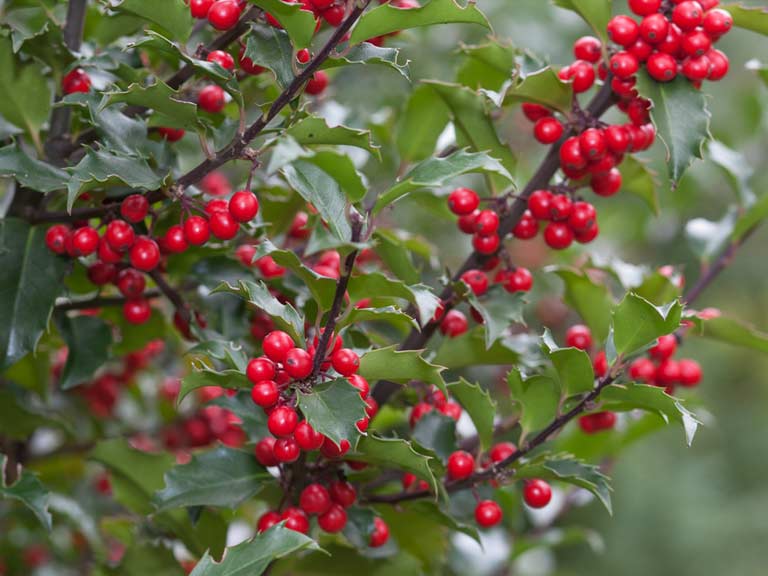
The holly tree is an evergreen plant meaning it grows all year round and provide a food source for birds in particular and can ensure populations survive winter. With over 400 species of the holly plant, it attracts a wide range of wildlife from thrushes and blackbirds to butterflies and moths. Due to its evergreen nature it is used for nesting and can be used by small mammals during the hibernation season.
Image result for holly plant
Photo from https://www.saga.co.uk/magazine/home-garden/gardening/plants/trees/how-to-grow-holly-and-get-berries

Hawthorn - 
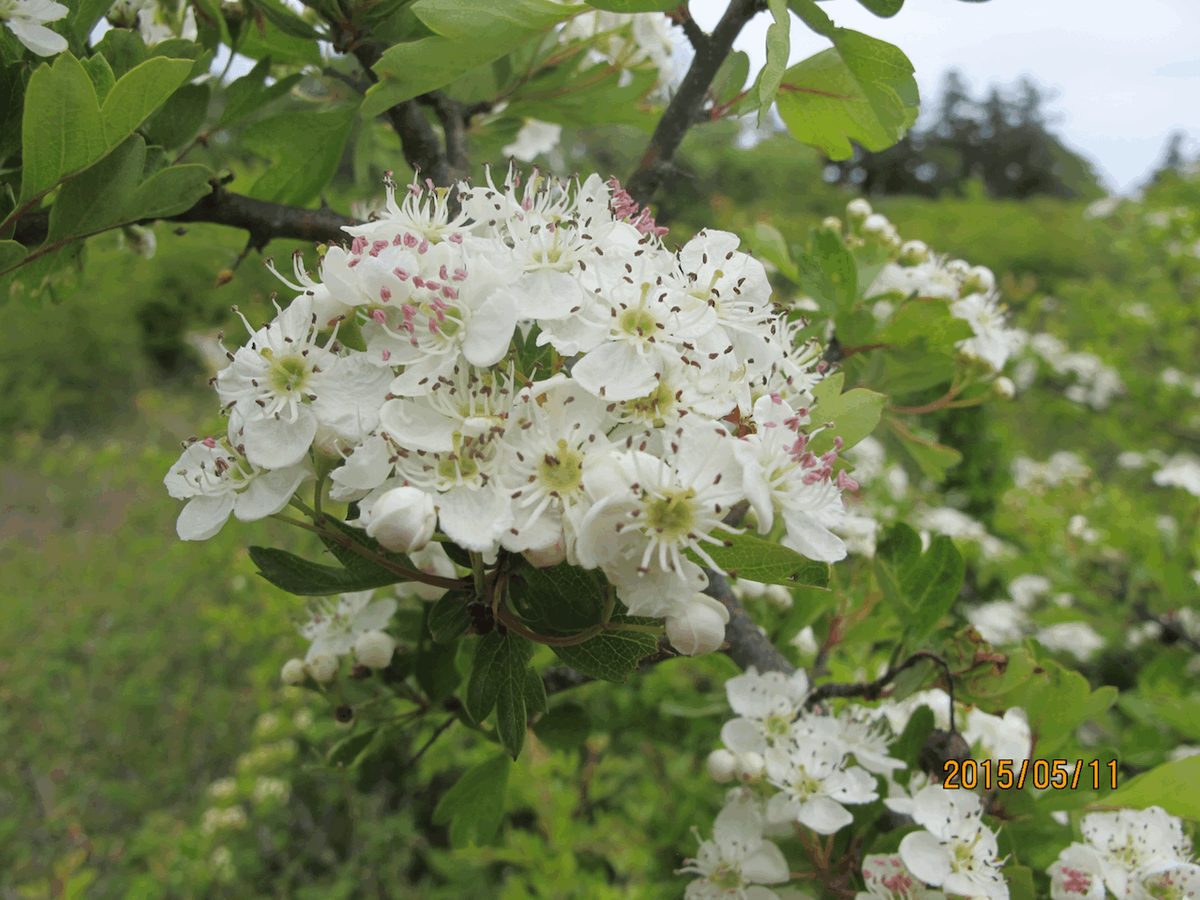
Hawthorns are one of the most common shrubs in the UK and attract around 150 species of insects and can provide a habitat for birds such as Goldfinches and Thrushes as it produces berries during the autumn. When the flowers bloom during the summer months, bumble bees love this plant and it also provides a habitat for ladybirds and earwigs. It is also a great food plant for caterpillar and can boost butterfly populations in your garden.
Image result for hawthorne plant
Photo from https://www.nwcb.wa.gov/weeds/english-hawthorn

Honeysuckle - 

Honeysuckle is so important to a wide range of species, particularly pollinators due to the incredibly sweet nectar it produces. . It also is important to the rare white admiral butterfly as the caterpillars will only feed on this plant. It also provides food and shelter for small mammals, in particular dormice.
Image result for honeysuckle
Photo from https://www.gardenia.net/plant/Lonicera-fragrantissima-Sweetest-Honeysuckle

Thyme - 
Experts encourage gardeners to include a wild range of plants including herbs. Thyme is a great one to grow as it provides nectar for bees and other pollinators but the ground cover it provides creates a safe habitat for other small invertebrates including detritivores that can improve the soil quality and organic matter content.
Image result for thyme
Photo from http://www.johnnyseeds.com/herbs/thyme/orange-thyme-seed-2934.html


Obviously, I'm not saying that if you don't plant these you don;t care about the environment because there are a range of factors to take into account such as the type of property you own, allergies and any pets you may have. If you have a large garden be sure to include a range of plants from trees, shrubs, flowers and herbs. Also don't forget to include grass as some butterflies have been known to lay eggs in the tall blades. In my opinion, we all need to be doing our bit to improve insect populations as they are vital for our way of life so even just planting a few flower pots along a balcony of a flat is a great start and should be encouraged.

Monday, 4 June 2018

Can Cotton Be Sustainable?

Skyrocketing electricity costs makes cotton-growers take ...
Image from www.heraldsun.com.au

I was in Primark the other day (not the most eco-friendly I'll admit) and I noticed that they had a sustainable cotton section. Cotton farming requires a huge amount of land that is often derived from unsustainable deforestation methods (i.e. slash and burn) and the growing and harvesting process has a huge environmental impact so I was happy to see a big retailer trying to reduce the environmental impact. However this did get me thinking what made this cotton sustainable? Can cotton farming ever be sustainable?

Firstly why is cotton farming so unsustainable? 

Cotton farming has huge ethical and environmental implications the first of which being the huge water consumption with the average water footprint being 10,000 litres per kilogram. With 730 million without access to clean water globally, cotton farming increases water scarcity in the areas with the greatest need for water. Cotton is also considered the 'dirtiest crop' by many organisations, such as the EJF, with cotton farming using 16% of all insecticides. Over 98% of all insecticides kill no target species causing a decline in the main pollinator species. There is also a risk of contamination of aquatic environments from runoff causing a decline in aquatic organisms. There are also health implications for workers and with 99% of all cotton farmers living in third world countries, there is a lack of safety and hazard testing. For example, a common pesticide used for cotton farming is easily absorbed via the skin and has the potential to kill. Other health implications of insecticides include respiratory illnesses, memory loss and seizures. There is also a huge amount of pollution produced as a result of deforestation and the chemicals used in the dyeing and bleaching process causes a large amount of environmental degradation. These chemicals include heavy metals and benzidine/chlorine bleaches which have been linked to an increased risk of cancer. 

There is also a huge socioeconomic impact with the workers in third world nations receiving low wages and the rich TNC's receiving the majority of profits, driving the poverty cycle. The majority of workers receive wages lower than the amount needed to meet their basic human needs. Many of these workers work long working days (with hours above the limit set by the International Labour Organisation) and overtime often goes unpaid. There is also a huge number of children working in the fields and Uzbekistan has been outed for shutting schools and forcing children to work in cotton fields. 

This begs the question what is the difference between 'normal' cotton and sustainable cotton, like the one used in Primark?

Sustainable cotton is defines as the sources being 'either organic, better or recycled' which has the potential to vastly reduce the environmental footprint of cotton farming. With the greatest amount of energy being used, resulting in a large amount of pollution, is during the extraction and processing of cotton so recycled cotton will greatly reduce the ecological footprint. Cotton that is certified GRS (Global Recycle Standard) ensures that cotton has been produced with minimal environmental and chemical impacts throughout the entire production process. This ensures the cotton farm has a chemical management system in place to meet all the legal requirements and to reduce the amount of pollution and run off. It also ensures that all companies meet the set target for energy use (as set by Textile Exchange) and there are frequent reviews to help improve energy efficiency. there are also set targets for water use and air pollution levels helping to reduce the environmental impact further.

Organic is defined as "produced or involving production without the use of chemical fertilisers, pesticides, or other artificial chemicals" in the Oxford dictionary. Although natural pesticides and fertilisers can still be harmful, there is less contribution to acidification and eutrophaction, reducing the impact on aquatic life and the soil in the surrounding area helping both the local people and the biodiversity. The chemicals used to treat regular cotton can bio-accumulate within the food chain meaning the impacts can be seen in the top predators even though they are not in direct contact with the chemical as it is stored in the fatty tissue of smaller, prey organisms. Pesticides have been linked to 67 million annual deaths in birds in the U.S. alone due to the bio-accumulating properties. With less pesticide use, there is a greater chance of bio-diversity recovering in cotton farming areas.

Image result for certified organic cotton label
Photo of certified organic cotton labels from babycribbed.com

There are also major differences to the workers, with organisations working to improve working conditions. The Better Cotton Initiative ensure that farmers receive more of the profits, better working conditions and healthcare and has been based on UN labour standards. This mean there is a better quality of life for the workers as there is less fear of discrimination and better workers rights so they are not afraid of becoming unemployed if they do not receive a pay cut. The increase in disposable income means there is a greater chance of improving sanitation, education and access to clean water and food. The knock on effects mean that workers under these initiatives have a chance at a better quality of life.

There are a large number of cotton standards and projects to help improve the sustainability but with less than 1% of the worlds cotton being certified organic, there is still a huge amount of demand and need for unsustainable farming methods to meet the huge demand. With 120.8 million bales (at 480 pounds each) being produced in 2017, more retailers need to enforce these farming methods to ensure the minimal environmental impact and ensure we have cotton as a resource for the future. However, in my opinion cotton is one of the most unsustainable materials and there are better options for retailers to invest in with a much smaller impact. For example, not only is hemp a more durable material, which will help reduce the production demand, but also requires half the amount of land that cotton does and requires less water at 2,000 L per kg. There are also more sustainable materials such as linen and soy silk showing there are materials out there that can improve the sustainability of the fashion industry. A life cycle assessment carried out but the Textile Exchange staes that organic farmed cotton was "significantly more environmental friendly" but organic cotton also requires more land than convential cotton as it has a much lower yield so some believe that it may lead to an increase in deforestation, questioning the sustainability of organic cotton. There are also more sustainable materials such as linen and soy silk showing there are materials out there that can improve the sustainability of the fashion industry.

Overall, my personal view is that recycled cotton is a better option than organic and conventional cotton due to the reduced chemical and land use. Despite this I do feel that there are better options available and companies should be investing in these materials. I do feel that some responsibility should lie with the consumer as there are alternatives such as buying second hand clothing and choosing your clothing brands more carefully.


References - 

Sunday, 1 April 2018

Is A No-Growth Economy The Answer?

When I first discovered my passion for nature, I never thought I would have to study economics . In fact I thought these two subjects could never coexist. In fact it's actually quite surprising that the majority of economic growth comes from the ecosystem. Our economy is built on manufacturing and consumers paying for the manufactured goods. We build our economy on exports and the more the produce, the more we sell and the more we grow. The main question is what happens to these goods we we don't need them? The answer is they go back into the ecosystem as waste which can be through landfill or pollution.
Countries develop their economy by increasing production and thereby increasing consumption. However, in order to do this a large amount of extraction has to happen in order to get the necessary fuel and resources. And how do we get this? Deforestion, mining and basically any process that kills wildlife and causes our biodiversity to decline. 

So this poses the question, can the economy and the ecosystem grow and develop together? Short answer is no. As one grows the other shrinks and with us prioritising the economy, the ecosystem is continuing to decline. The theory and idea of ecological economics doesn't suggest we revert to a preindustrial society with no technology, but states we should maintain our current economy to avoid and limit future extraction. This will help to preserve our natural resource and the earth for future generations. This will also limit the disposal of waste going back into the ecosystem. If we can also reuse and develop our waste it will also limit the extraction process. Ecological economics calls for a shift from conventional economics to stop economic growth because we simply cannot sustain it. We need to stop growing. I mean imagine if every single country reached the same level of development as the UK or America. It simply is not possible. We need better allocation and management of our natural resources to save our planet.

So to summer use, the economy and the ecosystem are connected and if the economy grows (as every government wants to), the ecosystem will decline. Instead of making the production system an open system, it needs to become closed with a focus on reusing and repurposing waste rather than disposal. Society also needs to shift away from a consumer based economy, in a sense. We need to stop buying what we want and what we need. We need to reduce all the unnecessary stuff we have that damages our environment. 

Thursday, 29 March 2018

Only One Earth

We only have one Earth. No plan B, no second planet tucked away at the back of the solar system. So why are we destroying it? Money? Development? Or are we just oblivious to the fact we need to change? 

From a young age the natural world has fascinated me. It started with a love for animals which made me want to become a vet and help save our beautiful companion animals. This developed into a love for being outdoors and a want to explore all the world has to offer by experiencing all the amazing creatures I'm their natural habitat. But as I grew older I realised the danger the natural world was in and the scale of it. I remember being horrified in school learning that people we willing to chop down our rainforests and damage our oceans for fuel and resources that would eventually run out and what made it even worse was that the burning of these fuels isincreasing climate change. This made me want to take my passion for the environment further and lead me to !y current uni course environmental science. I decided I was going to do my part to protect and conserve the diverse wildlife on our planet because once it's gone it's gone. 

I wanted to create this blog to share my thoughts and opinions on current environmental issues in the hope others will learn to help our planet and achieve a more sustainable lifestyle. I also felt this is the perfect way of sharing everything I learn at uni and apply my leaning to the real world. 

So join me, a passionate tree hugging student, towards my goal of a more sustainable lifestyle and I hope you leaning something while you're here.